The Silent HitchhikerWhy Professional Flea Control is a 2026 Essential
If you’ve ever sat down on a rug and felt a sudden, sharp “nip” on your ankle, only to look down and see nothing there, you’ve likely encountered one of nature’s most resilient survivors. Fleas are the ultimate “silent hitchhikers.” They don’t fly, and they aren’t particularly large, but their ability to jump 150 times their own body length makes them experts at moving from the backyard to the carpet, and eventually, to the family.
In 2026, flea control has become increasingly complex. With warmer Australian winters and the growing proximity of urban wildlife like possums and stray cats, flea populations are thriving in environments where they once struggled to survive. Many homeowners mistakenly believe that a quick flea treatment for the family dog is enough to solve a home infestation, but that typically only addresses 5% of the problem. To truly reclaim a home, understanding the “flea cycle” is vital, and for many, professional flea pest control is the only rational solution.
The 5% Rule: Why Vacuuming Isn’t Enough
Most property owners are shocked to learn that the adult fleas seen hopping around represent only a tiny fraction of the total population in a house. The other 95% exists in the form of eggs, larvae, and pupae hidden deep within the fibers of carpets, the cracks of floorboards, and the weave of sofas.
This is why pest control for fleas is so notoriously difficult for the average DIYer. While a supermarket “flea bomb” might eliminate the adults, flea eggs are virtually indestructible. They remain dormant, waiting for specific “triggers” such as heat, vibration, and carbon dioxide to hatch. This explains why many find that their flea problem “returns” two weeks after they thought they had won. Professional flea pest control utilizes an Integrated Pest Management (IPM) approach that targets every stage of the life cycle, not just the visible adults.
The Science of the “Growth Regulator”
When calling in a professional for pest control flea issues, the treatment goes beyond standard insecticides. The “secret weapon” in 2026 is the Insect Growth Regulator (IGR).
An IGR doesn’t necessarily kill the adult flea instantly; instead, it acts as a form of “birth control” for the colony. It prevents larvae from spinning cocoons and stops eggs from ever hatching. When combined with a high-quality adulticide, it provides a “double-whammy” effect: the adults die off, and the next generation is “switched off” before they can start. Industry experts, such as Mr Pest Controller, highlight this as the key difference between a temporary fix and a permanent flea control solution.
Beyond the Pet: The Wildlife Factor
A common myth is that one only needs pest control for fleas if they have indoor pets. In reality, the backyard is often the primary source. Possums, rats, and even birds can carry fleas onto a property. Once those fleas drop into the lawn or sub-floor, it is only a matter of time before they find their way inside on a sock or the hem of a pair of trousers.
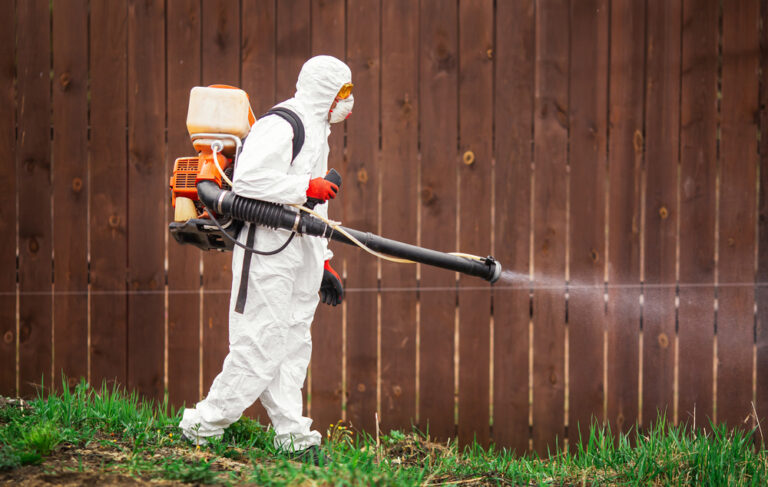
Professional flea pest control involves a dual-zone strategy. This involves treating the interior of the home where the pupae are hiding while also targeting “harborage” areas outside shady spots under the deck, sandy patches in the garden, and pet bedding areas. Without treating the source outside, the “hitchhikers” will simply continue to migrate indoors.
The Rational Cost of Comfort
Is professional flea control worth the investment? For anyone who has dealt with the stress of an infestation, the constant scratching, the red welts on children’s legs, and the endless cycles of high-heat laundry, the answer is usually a resounding yes.
A professional treatment by an established firm like Mr Pest Controller provides several key advantages:
- Safety: The use of products specifically formulated to be safe for families and pets once dried.
- Coverage: Specialized equipment designed to reach deep into carpets and under heavy furniture where fleas thrive.
- Longevity: Residual treatments that keep working for weeks, catching any stragglers that hatch after the initial visit.
The Verdict
Fleas are more than just a nuisance; they are a legitimate health risk, capable of transmitting tapeworms and causing severe dermatitis. In 2026, there is no reason to share a home with parasites. By opting for a clinical, highly effective approach to pest control flea management, homeowners can ensure that these silent hitchhikers are gone for good.